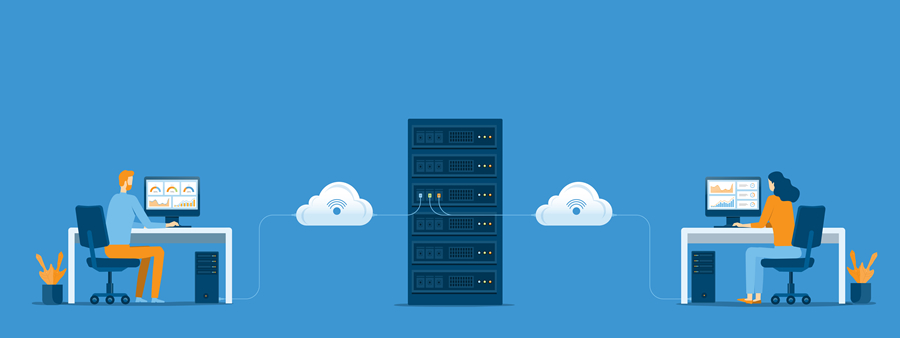
New network? More points for your existing network? Wireless access points?
We have considerable experience in the design, installation and maintenance of structured cabling, data cabling and wireless networks.
With data cabling being used for VOIP systems, computer systems, CCTV and access control it is important that your network is designed and installed correctly, this ensures you have guaranteed performance, reliability and flexibility should you want to re-arrange layouts, add network devices or make changes and also be future proofed.

Wireless Networks.
A properly installed and configured wireless network will eliminate unreliable connections, poor speeds and dead spots.
We have installed wireless networks in many different types of business and residential property, often utilising multiple access points which are configured to allow users to seamlessly stay connected as they move around the premises. Starting with a site survey allows us to understand your requirements & possible issues that the building layout and construction material causes, we then create a tailored specification and no obligation quotation.
- Home WiFi.
- Business WiFi – Offices, Shops, Café, Restaurants, Pubs, Hotels, Schools Etc.
- Hospitality WiFi – Beat the challenges of constantly changing devices, high usage & high expectations of your customers.
- Outdoor WiFi – Holiday Parks, Caravan/Camping Sites, Car Parks etc.
Point to Point Link.
The wireless equivalent to running cables between two or more points, where it would not be possible or cost effective due to distance or conditions. Our PTP installations offer excellent performance and reliability on distances of up to 5km, it’s an extension to your network so you can attach devices such as CCTV cameras, VOIP telephones, PC’s, Laptops, Servers or printers to the remote end.
FAQ...
Network infrastructure refers to the hardware, software, and services that enable the connectivity, communication, and data exchange within and between networks. It includes routers, switches, servers, cables, and more.
Key components include routers, switches, access points, firewalls, servers, cables, and network management software. Additionally, cloud-based resources and virtualization technologies are becoming increasingly important.
A network switch connects devices within a single network (LAN) and manages the traffic between them. Unlike a router, it doesn't connect different networks or handle internet connectivity.
Network security measures include setting up firewalls, intrusion detection and prevention systems, access controls, regular updates, and employee training on security best practices.